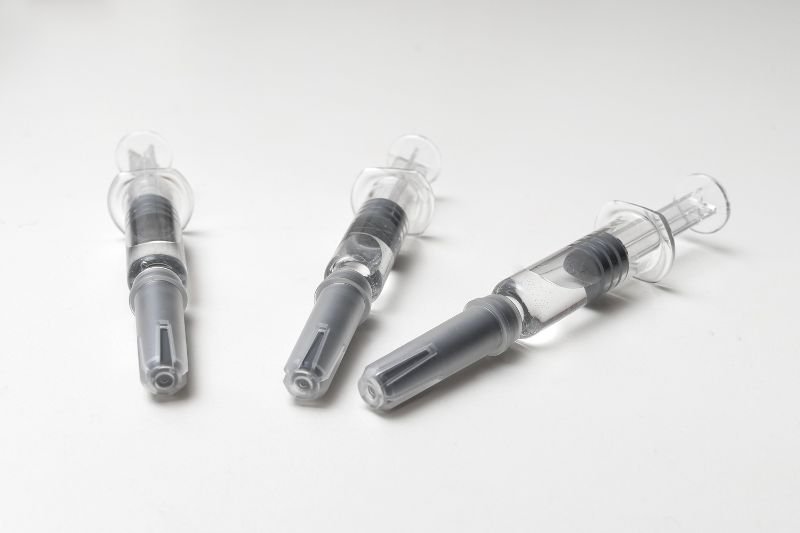
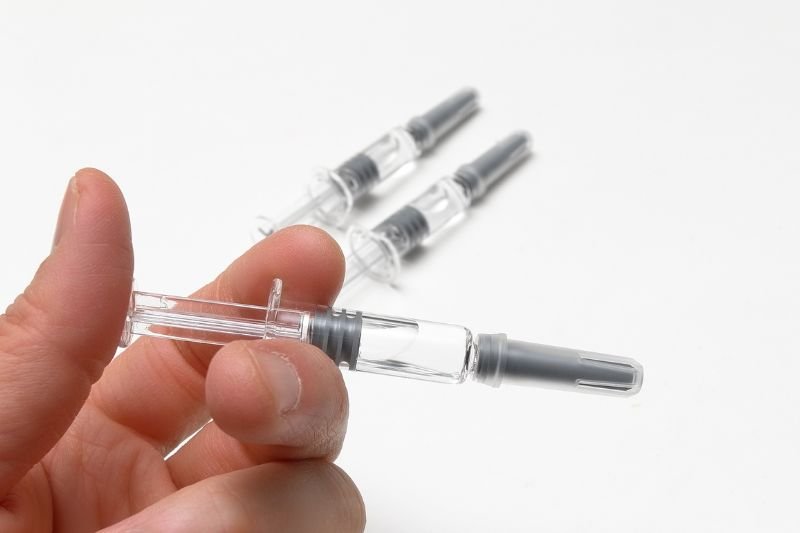
A small air bubble inside a drug-filled prefilled syringe is not always a defect. In many products, a small gas-filled space, known as headspace, remains after the syringe is filled and the stopper is inserted. In some medicines, the air bubble also has a role in the intended injection technique.
Whether an air bubble should remain depends on the specific drug product and its instructions for use. For pharmaceutical manufacturers, headspace is also an important consideration in syringe filling, stopper placement, and dose delivery.
Air Bubbles and Syringe Dead Space
Dead space refers to the small volume of liquid that may remain in the syringe tip, needle hub, or needle after the plunger has been fully depressed. The amount varies with syringe design and needle configuration.
In some prefilled drug products, a small air bubble is intentionally retained to help push medication through the needle toward the end of an injection. This approach, sometimes referred to as the air-lock technique, can help reduce residual medication in certain applications.
However, not all prefilled syringes use an air bubble for this purpose. Residual volume and delivered dose depend on the complete syringe system, including its barrel, stopper, tip, and needle configuration.
Why Prefilled Syringes Have Headspace
During pharmaceutical filling, a small gas-filled space may remain between the liquid medication and the syringe stopper. The amount of headspace is influenced by filling volume, stopper placement, and the intended product configuration.
Headspace is different from small gas bubbles dispersed throughout the liquid. Its volume and gas composition may influence product behavior during storage and handling, depending on the formulation.
In certain prefilled medications, a retained air bubble also has a role during administration. For example, some subcutaneous injection products are designed to be used without expelling the bubble, which may help limit residual medication in the needle.
Headspace requirements are established as part of the development of the finished drug product, taking into account the formulation, syringe design, and intended use.
Air Bubble Considerations for Manufacturers
For pharmaceutical manufacturers, air bubbles and headspace are considerations in developing a prefilled syringe system. The following factors can influence packaging selection and dose delivery.
Delivered Volume and Residual Medication
Syringe barrel, stopper, tip, and needle design can affect delivered volume and residual medication. Where an air bubble is intentionally retained, its role should be considered when evaluating dose delivery.
Filling Process and Stopper Placement
Filling volume and stopper insertion influence the initial headspace. Consistent filling and stopper positioning help achieve the intended product configuration.
Drug Formulation and Storage
Headspace volume and gas composition may affect formulation stability, particularly for oxygen-sensitive medications. These factors should be evaluated according to the specific drug product.
Syringe Design and Intended Use
Glass and COC/COP polymer syringe barrels offer different material options for pharmaceutical packaging. Needle configuration is another consideration; staked-needle syringes offer an integrated needle design. The appropriate configuration depends on the filling process and intended use.
Evaluating these factors together helps manufacturers identify a suitable prefillable syringe packaging system for their application.
Do All Prefilled Syringes Contain Air Bubbles
No. Not all prefilled syringes contain a visible air bubble, and not every air bubble serves the same purpose.
Some prefilled medications, including certain anticoagulant injections, are designed to retain a small air bubble during administration. Other products may have different requirements depending on their formulation, syringe design, and intended use.
An air bubble does not automatically indicate a manufacturing defect, nor does it mean the bubble should always be retained. Healthcare professionals and patients should follow the instructions provided with the specific medication rather than applying a general rule to all prefilled syringes.